
地图着色算法
地图着色问题是指给定一个图 G {V, E},其中 V 和 E 是图的顶点和边的集合,V 中的所有顶点都需要着色,使得任何两个相邻顶点的颜色都不相同。
该算法的实际应用包括:分配移动无线电频率、制定时间表、设计数独、分配寄存器等。
地图着色算法
使用地图着色算法,将图 G 和要添加到图中的颜色作为输入,实现一个着色图,其中没有两个相邻顶点具有相同的颜色。
算法
初始化图中的所有顶点。
选择度最高的节点,用任意颜色为其着色。
借助选择颜色函数选择要在图上使用的颜色,使得没有相邻顶点具有相同的颜色。
检查是否可以添加颜色,如果可以,则将其添加到解集中。
重复步骤 2 中的过程,直到输出集准备就绪。
示例
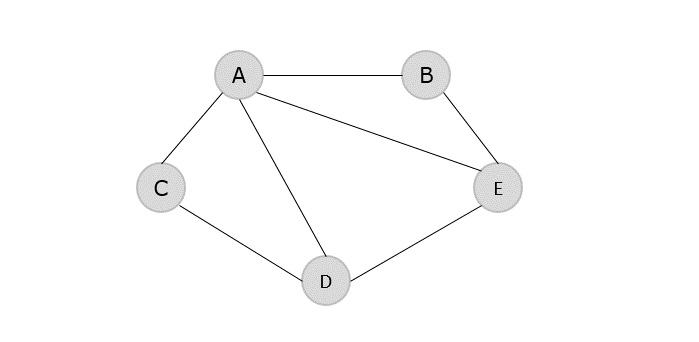
步骤 1
计算所有顶点的度数 −
A – 4
B – 2
C – 2
D – 3
E – 3
步骤 2
首先选择度数最高的顶点进行着色,即 A,然后使用选择颜色函数选择颜色。检查是否可以将颜色添加到顶点,如果可以,则将其添加到解集。
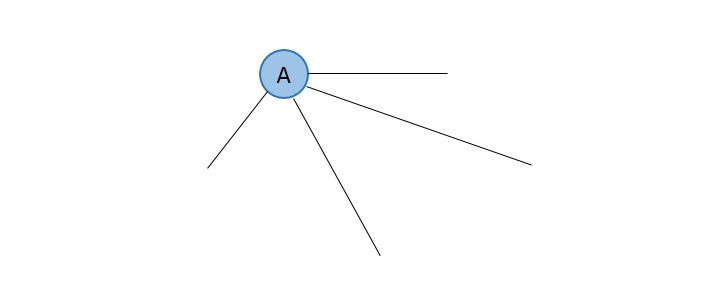
步骤 3
从剩余顶点中选择任意一个度数下一个最高的顶点,并使用选择颜色函数为其着色。
D 和 E 的度数下一个最高,均为 3,因此请在它们之间选择一个,例如 D。
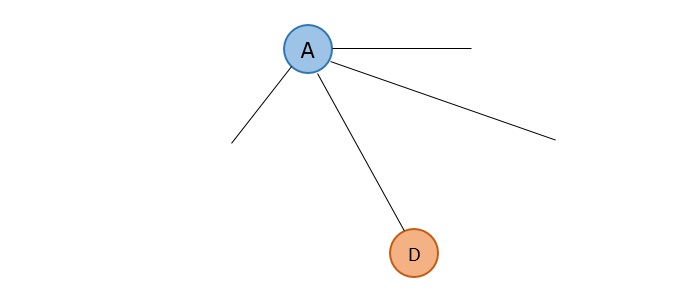
D 与 A 相邻,因此不能使用与 A 相同的颜色。因此,使用选择颜色函数选择不同的颜色。
步骤 4
度数下一个最高的顶点是 E,因此选择 E。
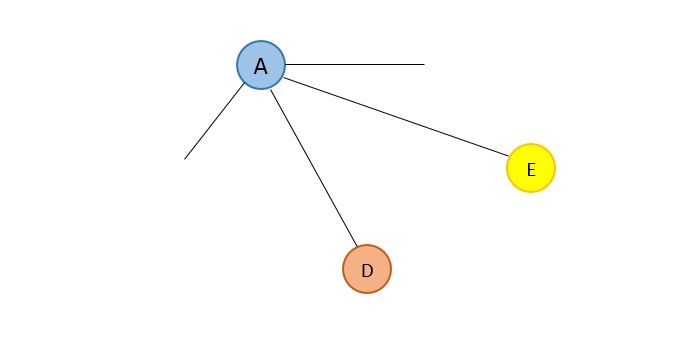
E 与 A 和 D 相邻,因此不能使用与 A 和 D 相同的颜色。使用选择颜色函数选择不同的颜色。
步骤 5
下一个最高度顶点是 B 和 C。因此,随机选择其中一个。
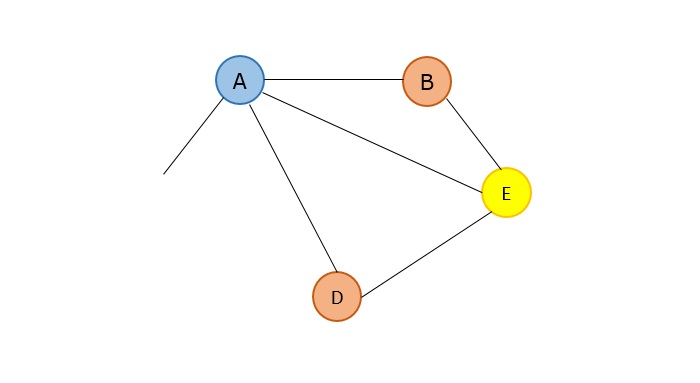
B 与 A 和 E 相邻,因此不能使用 A 和 E 的颜色,但它不与 D 相邻,因此可以使用 D 的颜色。
步骤6
下一个也是最后一个剩余的顶点是 C,它与 A 和 D 相邻,因此不能使用 A 和 D 的颜色进行着色。但它不与 E 相邻,因此可以用 E 的颜色进行着色。
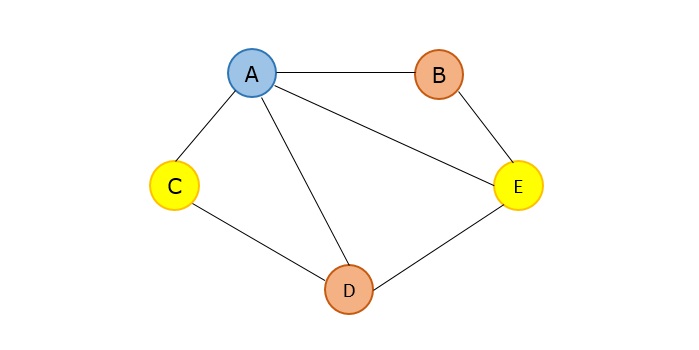
示例
以下是地图着色算法在各种编程语言中的完整实现,其中图的着色方式使得任何两个相邻顶点的颜色都不相同。
#include<stdio.h>
#include<stdbool.h>
#define V 4
bool graph[V][V] = {
   {0, 1, 1, 0},
   {1, 0, 1, 1},
   {1, 1, 0, 1},
   {0, 1, 1, 0},
};
bool isValid(int v,int color[], int c){   //检查放置的颜色是否对 v 有效
   for (int i = 0; i < V; i++)
      if (graph[v][i] && c == color[i])
         return false;
   return true;
}
bool mColoring(int colors, int color[], int vertex){
   if (vertex == V) //当考虑所有顶点时
      return true;
   for (int col = 1; col <= colors; col++) {
      if (isValid(vertex,color, col)) { //检查颜色col是否有效
         color[vertex] = col;
         if (mColoring (colors, color, vertex+1) == true) //寻找额外的顶点
            return true;
         color[vertex] = 0;
      }
   }
   return false; //当无法分配颜色时
}
int main(){
   int colors = 3; // 颜色数量
   int color[V]; //为每个顶点制作颜色矩阵
   for (int i = 0; i < V; i++)
      color[i] = 0; //初始设置为 0
   if (mColoring(colors, color, 0) == false) { //对于顶点 0 检查图形着色
      printf("Solution does not exist.");
   }
   printf("Assigned Colors are:
");
   for (int i = 0; i < V; i++)
      printf("%d ", color[i]);
   return 0;
}
输出
Assigned Colors are:
1 2 3 1
#include<iostream>
using namespace std;
#define V 4
bool graph[V][V] = {
   {0, 1, 1, 0},
   {1, 0, 1, 1},
   {1, 1, 0, 1},
   {0, 1, 1, 0},
};
bool isValid(int v,int color[], int c){   //检查放置的颜色是否对 v 有效
   for (int i = 0; i < V; i++)
      if (graph[v][i] && c == color[i])
         return false;
   return true;
}
bool mColoring(int colors, int color[], int vertex){
   if (vertex == V) //当考虑所有顶点时
      return true;
   for (int col = 1; col <= colors; col++) {
      if (isValid(vertex,color, col)) { //检查颜色col是否有效
         color[vertex] = col;
         if (mColoring (colors, color, vertex+1) == true) //寻找额外的顶点
            return true;
         color[vertex] = 0;
      }
   }
   return false; //当无法分配颜色时
}
int main(){
   int colors = 3; // 颜色数量
   int color[V]; //为每个顶点制作颜色矩阵
   for (int i = 0; i < V; i++)
      color[i] = 0; //初始设置为 0
   if (mColoring(colors, color, 0) == false) { //对于顶点 0 检查图形着色
      cout << "Solution does not exist.";
   }
   cout << "Assigned Colors are:
";
   for (int i = 0; i < V; i++)
      cout << color[i] << " ";
   return 0;
}
输出
Assigned Colors are:
1 2 3 1
public class mcolouring {
   static int V = 4;
   static int graph[][] = {
      {0, 1, 1, 0},
      {1, 0, 1, 1},
      {1, 1, 0, 1},
      {0, 1, 1, 0},
   };
   static boolean isValid(int v,int color[], int c) { //检查放置的颜色是否对 v 有效
      for (int i = 0; i < V; i++)
         if (graph[v][i] != 0 && c == color[i])
            return false;
      return true;
   }
   static boolean mColoring(int colors, int color[], int vertex) {
      if (vertex == V) //当考虑所有顶点时
         return true;
      for (int col = 1; col <= colors; col++) {
         if (isValid(vertex,color, col)) { //检查颜色col是否有效
            color[vertex] = col;
            if (mColoring (colors, color, vertex+1) == true) //寻找额外的顶点
               return true;
            color[vertex] = 0;
         }
      }
      return false; //当无法分配颜色时
   }
   public static void main(String args[]) {
      int colors = 3; // 颜色数量
      int color[] = new int[V]; //为每个顶点制作颜色矩阵
      for (int i = 0; i < V; i++)
         color[i] = 0; //初始设置为 0
      if (mColoring(colors, color, 0) == false) { //对于顶点 0 检查图形着色
         System.out.println("Solution does not exist.");
      }
      System.out.println("Assigned Colors are: ");
      for (int i = 0; i < V; i++)
         System.out.print(color[i] + " ");
   }
}
输出
Assigned Colors are:
1 2 3 1
V = 4
graph = [[0, 1, 1, 0], [1, 0, 1, 1], [1, 1, 0, 1], [0, 1, 1, 0]]
def isValid(v, color, c):  # 检查颜色是否对 v 有效
    for i in range(V):
        if graph[v][i] and c == color[i]:
            return False
    return True
def mColoring(colors, color, vertex):
    if vertex == V:  # 当考虑所有顶点时
        return True
    for col in range(1, colors + 1):
        if isValid(vertex, color,
                   col):  # 检查颜色col是否有效
            color[vertex] = col
            if mColoring(colors, color, vertex + 1):
                return True  # 寻找额外的顶点
            color[vertex] = 0
    return False  # 当无法指定颜色时
colors = 3 # 颜色数量
color = [0] * V # 为每个顶点创建颜色矩阵
if not mColoring(
        colors, color,
        0):  # 初始设置为 0,对于顶点 0 检查图着色
    print("Solution does not exist.")
else:
    print("Assigned Colors are:")
    for i in range(V):
        print(color[i], end=" ")
输出
Assigned Colors are:
1 2 3 1

