
栈数据结构
什么是栈?
栈是一种线性数据结构,其元素按照后进先出(LIFO)原则存储,即最后插入的元素最先被删除。栈是一种抽象数据类型 (ADT),在大多数编程语言中广泛使用。它之所以被称为栈,是因为它的操作与现实世界中的栈类似,例如减一副牌或一堆盘子等。

栈被认为是一种复杂的数据结构,因为它使用其他数据结构来实现,例如数组、链表等。
栈的表示
栈只允许在一端进行所有数据操作。在任何给定时刻,我们只能访问栈的顶部元素。
下图描述了栈及其操作 −
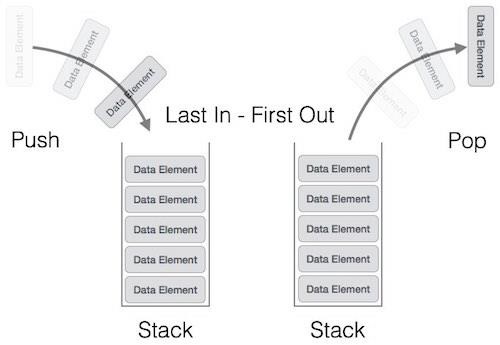
栈可以通过数组、结构体、指针和链表来实现。栈可以是固定大小的,也可以是动态调整大小的。这里,我们将使用数组来实现栈,这使得它成为一个固定大小的栈实现。
栈的基本操作
栈操作通常用于栈ADT的初始化、使用和取消初始化。
栈ADT中最基本的操作包括:push()、pop()、peek()、isFull()、isEmpty()。这些都是内置操作,用于执行数据操作和检查堆栈状态。
堆栈使用的指针始终指向堆栈中最顶层的元素,因此称为top指针。
堆栈插入:push()
push() 操作用于将元素插入堆栈。以下算法以更简单的方式描述了 push() 操作。
算法
1. 检查堆栈是否已满。
2. 如果堆栈已满,则抛出错误并退出。
3. 如果堆栈未满,则将 top 加 1 以指向下一个
空位。
4. 将数据元素添加到 top 指向的堆栈位置。
5. 返回成功。
示例
以下是此操作在各种编程语言中的实现 −
#include <stdio.h>
int MAXSIZE = 8;
int stack[8];
int top = -1;

/* 检查堆栈是否已满 */
int isfull(){
   if(top == MAXSIZE)
      return 1;
   else
      return 0;
}

/* 插入堆栈的函数 */
int push(int data){
   if(!isfull()) {
      top = top + 1;
      stack[top] = data;
   } else {
      printf("无法插入数据,堆栈已满。
");
   }
}

/* Main 主函数 */
int main(){
   int i;
   push(44);
   push(10);
   push(62);
   push(123);
   push(15);
   printf("Stack Elements:
");

   // 打印堆栈数据
   for(i = 0; i < 8; i++) {
      printf("%d ", stack[i]);
   }
   return 0;
}
输出
Stack Elements:
44 10 62 123 15 0 0 0
#include <iostream>
int MAXSIZE = 8;
int stack[8];
int top = -1;

/* 检查堆栈是否已满 */
int isfull(){
   if(top == MAXSIZE)
      return 1;
   else
      return 0;
}

/* 插入堆栈的函数 */
int push(int data){
   if(!isfull()) {
      top = top + 1;
      stack[top] = data;
   } else {
      printf("无法插入数据,堆栈已满。
");
   }
   return data;
}

/* Main 主函数 */
int main(){
   int i;
   push(44);
   push(10);
   push(62);
   push(123);
   push(15);
   printf("Stack Elements:
");

   // 打印堆栈数据
   for(i = 0; i < 8; i++) {
      printf("%d ", stack[i]);
   }
   return 0;
}
输出
Stack Elements:
44 10 62 123 15 0 0 0
public class Demo{
final static int MAXSIZE = 8;
static int stack[] = new int[MAXSIZE];
static int top = -1;
public static int isfull(){
   if(top == MAXSIZE)
      return 1;
   else
      return 0;
}
public static int push(int data){
   if(isfull() != 1) {
      top = top + 1;
      stack[top] = data;
   } else {
      System.out.print("无法插入数据,堆栈已满。
");
   }
   return data;
}
public static void main(String[] args){
   int i;
   push(44);
   push(10);
   push(62);
   push(123);
   push(15);
   System.out.print("
Stack Elements: ");
   // 打印堆栈数据
   for(i = 0; i < MAXSIZE; i++) {
      System.out.print(stack[i] + " ");
   }
  }
}
输出
Stack Elements: 44 10 62 123 15 0 0 0
MAXSIZE = 8
stack = [0] * MAXSIZE
top = -1
def isfull():
    if(top == MAXSIZE):
        return 1
    else:
        return 0
def push(data):
    global top
    if(isfull() != 1):
        top = top + 1
        stack[top] = data
    else:
        print("无法插入数据,堆栈已满。")
    return data
push(44)
push(10)
push(62)
push(123)
push(15)
print("Stack Elements: ")
for i in range(MAXSIZE):
    print(stack[i], end = " ")
输出
Stack Elements:
44 10 62 123 15 0 0 0
注意 − 在 Java 中,我们使用内置方法 push() 来执行此操作。
栈删除:pop()
pop() 是一个数据操作操作,用于从栈中删除元素。以下伪代码以更简单的方式描述了 pop() 操作。
算法
1. 检查栈是否为空。
2. 如果栈为空,则抛出错误并退出。
3. 如果栈非空,则访问栈顶指向的数据元素。
4. 将栈顶的值减 1。
5. 返回成功。
示例
以下是此操作在各种编程语言中的实现 −
#include <stdio.h>
int MAXSIZE = 8;
int stack[8];
int top = -1;

/* 检查堆栈是否为空 */
int isempty(){
   if(top == -1)
      return 1;
   else
      return 0;
}

/* 检查堆栈是否已满 */
int isfull(){
   if(top == MAXSIZE)
      return 1;
   else
      return 0;
}

/* 从堆栈中删除的函数 */
int pop(){
   int data;
   if(!isempty()) {
      data = stack[top];
      top = top - 1;
      return data;
   } else {
      printf("无法检索数据,堆栈为空。
");
   }
}

/* 插入堆栈的函数 */
int push(int data){
   if(!isfull()) {
      top = top + 1;
      stack[top] = data;
   } else {
      printf("无法插入数据,堆栈已满。
");
   }
}

/* Main 主函数 */
int main(){
   int i;
   push(44);
   push(10);
   push(62);
   push(123);
   push(15);
   printf("Stack Elements:
");

   // 打印堆栈数据
   for(i = 0; i < 8; i++) {
      printf("%d ", stack[i]);
   }
   /*printf("堆栈顶部的元素: %d
" ,peek());*/
   printf("
Elements popped:
");

   // 打印堆栈数据
   while(!isempty()) {
      int data = pop();
      printf("%d ",data);
   }
   return 0;
}
输出
Stack Elements:
44 10 62 123 15 0 0 0
Elements popped:
15 123 62 10 44
#include <iostream>
int MAXSIZE = 8;
int stack[8];
int top = -1;

/* 检查堆栈是否为空 */
int isempty(){
   if(top == -1)
      return 1;
   else
      return 0;
}

/* 检查堆栈是否已满 */
int isfull(){
   if(top == MAXSIZE)
      return 1;
   else
      return 0;
}

/* 从堆栈中删除的函数 */
int pop(){
   int data;
   if(!isempty()) {
      data = stack[top];
      top = top - 1;
      return data;
   } else {
      printf("无法检索数据,堆栈为空。
");
   }
   return data;
}

/* 插入堆栈的函数 */
int push(int data){
   if(!isfull()) {
      top = top + 1;
      stack[top] = data;
   } else {
      printf("无法插入数据,堆栈已满。
");
   }
   return data;
}

/* Main 主函数 */
int main(){
   int i;
   push(44);
   push(10);
   push(62);
   push(123);
   push(15);
   printf("Stack Elements:
");

   // 打印堆栈数据
   for(i = 0; i < 8; i++) {
      printf("%d ", stack[i]);
   }

   /*printf("堆栈顶部的元素: %d
" ,peek());*/
   printf("
Elements popped:
");

   // 打印堆栈数据
   while(!isempty()) {
      int data = pop();
      printf("%d ",data);
   }
   return 0;
}
输出
Stack Elements:
44 10 62 123 15 0 0 0
Elements popped:
15 123 62 10 44
public class Demo{
final static int MAXSIZE = 8;
public static int stack[] = new int[MAXSIZE];
public static int top = -1;
/* 检查堆栈是否为空 */
public static int isempty(){
   if(top == -1)
      return 1;
   else
      return 0;
}
/* 检查堆栈是否已满 */
public static int isfull(){
   if(top == MAXSIZE)
      return 1;
   else
      return 0;
}
/* 从堆栈中删除的函数 */
public static int pop(){
   int data = 0;
   if(isempty() != 1) {
      data = stack[top];
      top = top - 1;
      return data;
   } else {
      System.out.print("无法检索数据,堆栈为空。");
   }
   return data;
}
/* 插入堆栈的函数 */
public static int push(int data){
   if(isfull() != 1) {
      top = top + 1;
      stack[top] = data;
   } else {
      System.out.print("
无法插入数据,堆栈已满。
");
   }
   return data;
}
/* Main 主函数 */
public static void main(String[] args){
   push(44);
   push(10);
   push(62);
   push(123);
   push(15);
   System.out.print("Stack Elements: ");
   // 打印堆栈数据
   for(int i = 0; i < MAXSIZE; i++) {
      System.out.print(stack[i] + " ");
   }

   /*printf("堆栈顶部的元素: %d
" ,peek());*/
   System.out.print("
Elements popped: ");

   // 打印堆栈数据
   while(isempty() != 1) {
      int data = pop();
      System.out.print(data + " ");
   }
  }
}
输出
Stack Elements: 44 10 62 123 15 0 0 0
Elements popped: 15 123 62 10 44
MAXSIZE = 8
stack = [0] * MAXSIZE
top = -1
def isempty():
    if(top == -1):
        return 1
    else:
        return 0
def isfull():
    if(top == MAXSIZE):
        return 1
    else:
        return 0
def pop():
    global top
    data = 0
    if(isempty() != 1):
        data = stack[top]
        top = top - 1
        return data
    else:
        print("无法检索数据,堆栈为空。")
    return data
def push(data):
    global top
    if(isfull() != 1):
        top = top + 1
        stack[top] = data
    else:
        print("
无法插入数据,堆栈已满。")
    return data
push(44);
push(10);
push(62);
push(123);
push(15);
print("Stack Elements: ")
for i in range (MAXSIZE):
    print(stack[i], end = " ")
print("
Elements popped: ")
while(isempty() != 1):
    data = pop()
    print(data, end = " ")
输出
Stack Elements:
44 10 62 123 15 0 0 0
Elements popped:
15 123 62 10 44
注意 − 在 Java 中,我们使用内置方法 pop()。
从堆栈中检索最顶层元素:peek()
peek() 操作用于检索堆栈中最顶层的元素,但不删除它。此操作用于借助栈顶指针检查堆栈的状态。
算法
1. 开始
2. 返回堆栈顶部的元素
3. 结束
示例
以下是此操作在各种编程语言中的实现 −
#include <stdio.h>
int MAXSIZE = 8;
int stack[8];
int top = -1;

/* 检查堆栈是否已满 */
int isfull(){
   if(top == MAXSIZE)
      return 1;
   else
      return 0;
}

/* 返回堆栈最顶部元素的函数 */
int peek(){
   return stack[top];
}

/* 插入堆栈的函数 */
int push(int data){
   if(!isfull()) {
      top = top + 1;
      stack[top] = data;
   } else {
      printf("无法插入数据,堆栈已满。
");
   }
}

/* Main 主函数 */
int main(){
   int i;
   push(44);
   push(10);
   push(62);
   push(123);
   push(15);
   printf("Stack Elements:
");

   // 打印堆栈数据
   for(i = 0; i < 8; i++) {
      printf("%d ", stack[i]);
   }
   printf("
堆栈顶部的元素: %d
" ,peek());
   return 0;
}
输出
Stack Elements:
44 10 62 123 15 0 0 0
堆栈顶部的元素: 15
#include <iostream>
int MAXSIZE = 8;
int stack[8];
int top = -1;

/* 检查堆栈是否已满 */
int isfull(){
   if(top == MAXSIZE)
      return 1;
   else
      return 0;
}

/* 返回堆栈最顶部元素的函数 */
int peek(){
   return stack[top];
}

/* 插入堆栈的函数 */
int push(int data){
   if(!isfull()) {
      top = top + 1;
      stack[top] = data;
   } else {
      printf("无法插入数据,堆栈已满。
");
   }
   return data;
}

/* Main 主函数 */
int main(){
   int i;
   push(44);
   push(10);
   push(62);
   push(123);
   push(15);
   printf("Stack Elements:
");

   // 打印堆栈数据
   for(i = 0; i < 8; i++) {
      printf("%d ", stack[i]);
   }
   printf("
堆栈顶部的元素: %d
" ,peek());
   return 0;
}
输出
Stack Elements:
44 10 62 123 15 0 0 0
堆栈顶部的元素: 15
public class Demo{
final static int MAXSIZE = 8;
public static int stack[] = new int[MAXSIZE];
public static int top = -1;
/* 检查堆栈是否已满 */
public static int isfull(){
   if(top == MAXSIZE)
      return 1;
   else
      return 0;
}

/* 返回堆栈最顶部元素的函数 */
public static int peek(){
   return stack[top];
}

/* 插入堆栈的函数 */
public static int push(int data){
   if(isfull() != 1) {
      top = top + 1;
      stack[top] = data;
   } else {
      System.out.print("无法插入数据,堆栈已满。");
   }
   return data;
}

/* Main 主函数 */
public static void main(String[] args){
   push(44);
   push(10);
   push(62);
   push(123);
   push(15);
   System.out.print("Stack Elements: ");

   // 打印堆栈数据
   for(int i = 0; i < MAXSIZE; i++) {
      System.out.print(stack[i] + " ");
   }
   System.out.print("
堆栈顶部的元素: " + peek());
  }
}
输出
Stack Elements: 44 10 62 123 15 0 0 0
堆栈顶部的元素: 15
MAXSIZE = 8;
stack = [0] * MAXSIZE
top = -1
def isfull():
    if(top == MAXSIZE):
        return 1
    else:
        return 0
def peek():
    return stack[top]
def push(data):
    global top
    if(isfull() != 1):
        top = top + 1
        stack[top] = data
    else:
        print("无法插入数据,堆栈已满。")
    return data
push(44);
push(10);
push(62);
push(123);
push(15);
print("Stack Elements: ")
for i in range(MAXSIZE):
    print(stack[i], end = " ")
print("
堆栈顶部的元素: ", peek())
输出
Stack Elements:
44 10 62 123 15 0 0 0
堆栈顶部的元素:  15
验证堆栈是否已满:isFull()
isFull() 操作用于检查堆栈是否已满。此操作借助栈顶指针来检查堆栈的状态。
算法
1. 开始
2. 如果堆栈大小等于栈顶位置,
则堆栈已满。返回 1。
3. 否则,返回 0。
4. 结束
示例
以下是此操作在各种编程语言中的实现 −
#include <stdio.h>
int MAXSIZE = 8;
int stack[8];
int top = -1;

/* 检查堆栈是否已满 */
int isfull(){
   if(top == MAXSIZE)
      return 1;
   else
      return 0;
}

/* Main 主函数 */
int main(){
   printf("Stack full: %s
" , isfull()?"true":"false");
   return 0;
}
输出
Stack full: false
#include <iostream>
int MAXSIZE = 8;
int stack[8];
int top = -1;

/* 检查堆栈是否已满 */
int isfull(){
   if(top == MAXSIZE)
      return 1;
   else
      return 0;
}

/* Main 主函数 */
int main(){
   printf("Stack full: %s
" , isfull()?"true":"false");
   return 0;
}
输出
Stack full: false
import java.io.*;
public class StackExample {
   private int arr[];
   private int top;
   private int capacity;
   StackExample(int size) {
      arr = new int[size];
      capacity = size;
      top = -1;
   }
   public boolean isEmpty() {
      return top == -1;
   }
   public boolean isFull() {
      return top == capacity - 1;
   }
   public void push(int key) {
      if (isFull()) {
         System.out.println("Stack is Full
");
         return;
      }
      arr[++top] = key;
   }
   public static void main (String[] args) {
      StackExample stk = new StackExample(5);
      stk.push(1); // inserting 1 in the stack
      stk.push(2);
      stk.push(3);
      stk.push(4);
      stk.push(5);
      System.out.println("Stack full: " + stk.isFull());
   }
}
输出
Stack full: true
#python code for stack(IsFull)
MAXSIZE = 8
stack = [None] * MAXSIZE
top = -1
#Check if the stack is empty
def isfull():
    if top == MAXSIZE - 1:
        return True
    else:
        return False
#main function
print("Stack full:", isfull())
输出
Stack full: False
验证堆栈是否为空:isEmpty()
isEmpty() 操作用于验证堆栈是否为空。此操作借助栈顶指针检查堆栈状态。
算法
1. 开始
2. 如果栈顶值为 -1,则堆栈为空。返回 1。
3. 否则,返回 0。
4. 结束
示例
以下是此操作在各种编程语言中的实现 −
#include <stdio.h>
int MAXSIZE = 8;
int stack[8];
int top = -1;

/* 检查堆栈是否为空 */
int isempty() {
   if(top == -1)
      return 1;
   else
      return 0;
}

/* Main 主函数 */
int main() {
   printf("Stack empty: %s
" , isempty()?"true":"false");
   return 0;
}
输出
Stack empty: true
#include <iostream>
int MAXSIZE = 8;
int stack[8];
int top = -1;

/* 检查堆栈是否为空 */
int isempty(){
   if(top == -1)
      return 1;
   else
      return 0;
}

/* Main 主函数 */
int main(){
   printf("Stack empty: %s
" , isempty()?"true":"false");
   return 0;
}
输出
Stack empty: true
public class Demo{
final static int MAXSIZE = 8;
static int stack[] = new int[MAXSIZE];
static int top = -1;

/* 检查堆栈是否为空 */
public static int isempty(){
   if(top == -1)
      return 1;
   else
      return 0;
}

/* Main 主函数 */
public static void main(String[] args){
    boolean res = isempty() == 1 ? true : false;
    System.out.print("Stack empty: " + res);
 }
}
输出
Stack empty: true
#python code for stack(IsFull)
MAXSIZE = 8
stack = [None] * MAXSIZE
top = -1
#Check if the stack is empty
def isempty():
    if top == -1:
        return True
    else:
        return False
#main function
print("Stack empty:", isempty())
输出
Stack empty: True
Stack 完整实现
以下是各种编程语言中 Stack 的完整实现 −
#include <stdio.h>
int MAXSIZE = 8;
int stack[8];
int top = -1;
/* 检查堆栈是否为空 */
int isempty(){
   if(top == -1)
      return 1;
   else
      return 0;
}
/* 检查堆栈是否已满 */
int isfull(){
   if(top == MAXSIZE)
      return 1;
   else
      return 0;
}

/* 返回堆栈最顶部元素的函数 */
int peek(){
   return stack[top];
}

/* 从堆栈中删除的函数 */
int pop(){
   int data;
   if(!isempty()) {
      data = stack[top];
      top = top - 1;
      return data;
   } else {
      printf("无法检索数据,堆栈为空。
");
   }
}

/* 插入堆栈的函数 */
int push(int data){
   if(!isfull()) {
      top = top + 1;
      stack[top] = data;
   } else {
      printf("无法插入数据,堆栈已满。
");
   }
}
/* Main 主函数 */
int main(){
   push(44);
   push(10);
   push(62);
   push(123);
   push(15);
   printf("堆栈顶部的元素: %d
" ,peek());
   printf("Elements:
");
   // 打印堆栈数据
   while(!isempty()) {
      int data = pop();
      printf("%d
",data);
   }
   printf("Stack full: %s
" , isfull()?"true":"false");
   printf("Stack empty: %s
" , isempty()?"true":"false");
   return 0;
}
输出
堆栈顶部的元素: 15
Elements:
15123
62
10
44
Stack full: false
Stack empty: true
#include <iostream>
using namespace std;
int MAXSIZE = 8;
int stack[8];
int top = -1;
/* 检查堆栈是否为空 */
int isempty(){
   if(top == -1)
      return 1;
   else
      return 0;
}
/* 检查堆栈是否已满 */
int isfull(){
   if(top == MAXSIZE)
      return 1;
   else
      return 0;
}
/* 返回堆栈最顶部元素的函数 */
int peek(){
   return stack[top];
}
/* 从堆栈中删除的函数 */
int pop(){
   int data;
   if(!isempty()) {
      data = stack[top];
      top = top - 1;
      return data;
   } else
      cout << "无法检索数据,堆栈为空。" << endl;
}
/* 插入堆栈的函数 */
int push(int data){
   if(!isfull()) {
      top = top + 1;
      stack[top] = data;
   } else
      cout << "无法插入数据,堆栈已满。" << endl;
}
/* Main 主函数 */
int main(){
   push(44);
   push(10);
   push(62);
   push(123);
   push(15);
   cout << "堆栈顶部的元素: " << peek() << endl;
   printf("Elements:
");
   // 打印堆栈数据
   while(!isempty()) {
      int data = pop();
      cout << data <<endl;
   }
   printf("Stack full: %s
" , isfull()?"true":"false");
   printf("Stack empty: %s
" , isempty()?"true":"false");
   return 0;
}
输出
堆栈顶部的元素: 15
Elements:
15
123
62
10
44
Stack full: false
Stack empty: true
public class Demo{
final static int MAXSIZE = 8;
public static int stack[] = new int[MAXSIZE];
public static int top = -1;
/* 检查堆栈是否为空 */
public static int isempty(){
   if(top == -1)
      return 1;
   else
      return 0;
}
/* 检查堆栈是否已满 */
public static int isfull(){
   if(top == MAXSIZE)
      return 1;
   else
      return 0;
}
/* 返回堆栈最顶部元素的函数 */
public static int peek(){
   return stack[top];
}
/* 从堆栈中删除的函数 */
public static int pop(){
   int data = 0;
   if(isempty() != 1) {
      data = stack[top];
      top = top - 1;
      return data;
   } else
      System.out.print("无法检索数据,堆栈为空。");
    return data;
}
/* 插入堆栈的函数 */
public static int push(int data){
   if(isfull() != 1) {
      top = top + 1;
      stack[top] = data;
   } else
      System.out.print("无法插入数据,堆栈已满。");
    return data;
}
/* Main 主函数 */
public static void main(String[] args){
   push(44);
   push(10);
   push(62);
   push(123);
   push(15);
   System.out.print("堆栈顶部的元素: " + peek());
   System.out.print("
Elements: ");
   // 打印堆栈数据
   while(isempty() != 1) {
      int data = pop();
      System.out.print(data + " ");
   }
   boolean res1 = isfull() == 1 ? true : false;
   boolean res2 = isempty() == 1 ? true : false;
   System.out.print("
Stack full: " + res1);
   System.out.print("
Stack empty: " + res2);
   }
}
输出
堆栈顶部的元素: 15
Elements: 15 123 62 10 44
Stack full: false
Stack empty: true
MAXSIZE = 8
stack = [0] * MAXSIZE
top = -1;
def isempty():
    if(top == -1):
        return 1
    else:
        return 0
def isfull():
    if(top == MAXSIZE):
        return 1
    else:
        return 0
def peek():
    return stack[top]
def pop():
    global data, top
    if(isempty() != 1):
        data = stack[top];
        top = top - 1;
        return data
    else:
        print("无法检索数据,堆栈为空。")
    return data
def push(data):
    global top
    if(isfull() != 1):
        top = top + 1
        stack[top] = data
    else:
        print("无法插入数据,堆栈已满。")
    return data
push(44)
push(10)
push(62)
push(123)
push(15)
print("堆栈顶部的元素: ", peek())
print("Elements: ")
while(isempty() != 1):
    data = pop();
    print(data, end = " ")
print("
Stack full: ",bool({True: 1, False: 0} [isfull() == 1]))
print("Stack empty: ",bool({True: 1, False: 0} [isempty() == 1]))
输出
堆栈顶部的元素:  15
Elements:
15 123 62 10 44
Stack full:  False
Stack empty:  True
C 语言堆栈实现
点击查看C 语言堆栈程序的实现